home  |  join us  |  register  |  site map  |  contact us       
January 23 to September 18, 2010


Click to EnlargeJust a few miles west of Fredericksburg, Virginia, in 1989, tracks of a three-toed dinosaur that lived about 210 million years ago during the Triassic period were found.  The track site, discovered at the bottom of a 250-foot deep siltstone quarry in nearby Culpeper, contained over 2,400 tracks – more than had ever been found in one place.

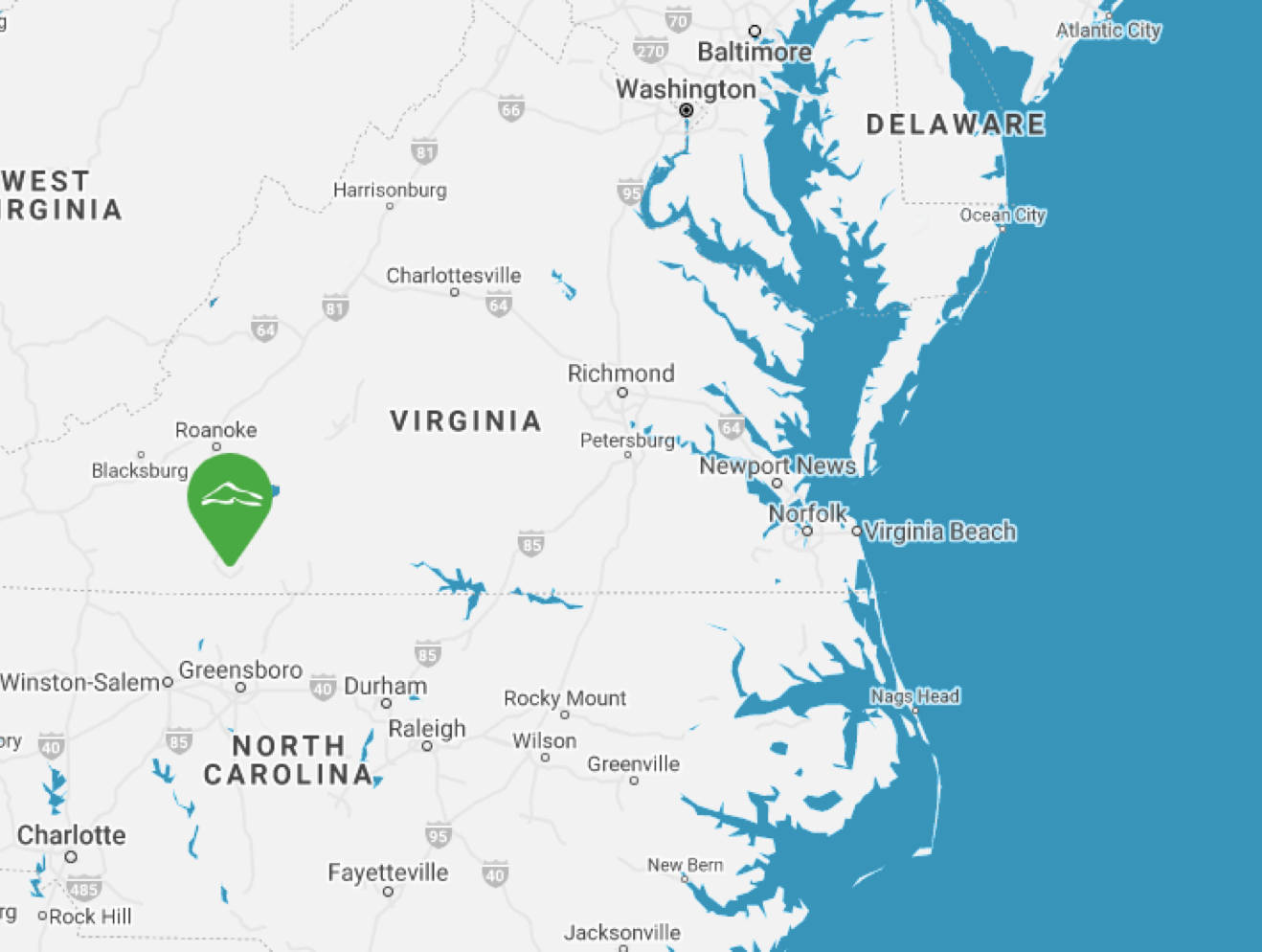
In Southern Virginia, at the Solite quarry near Martinsville, 220-million year old dinosaur tracks and other Triassic fossils were found beginning in the 1970s.  Along with the dinosaur tracks scientists found fossils of fishes, insects and plants as old as the dinosaurs that left behind their footprints.

From the coal mines of southwest Virginia, to the eroded banks of the James and Potomac Rivers, to quarry basins across the state, ancient fossil discoveries of animals, plants and tracks of dinosaurs make Virginia a great place for fossil lovers.  But, even with all the rich discoveries here, no one has ever found an actual fossilized dinosaur body part in Virginia.  The only evidence of dinosaurs in Virginia found so far are footprints, or other “trace fossils” – records of the Click to Enlargemovement of dinosaurs left in mud or fine sand and preserved over millions of years in layers of sedimentary rock.

Did dinosaurs just pass through Virginia on their way elsewhere, taking only meals and leaving only footprints?  Or did they live and die here?  Are dinosaur fossils out there, somewhere in Virginia waiting to be discovered?  Scientists at the Virginia Museum of Natural History think that there are dinosaurs out there, and their ongoing research and excavations reveal new information about Virginia dinosaurs all the time.

Life-size casts of dinosaurs dominate the exhibit, which includes a 40-foot long skeleton cast of an Acrocanthosaurus, a massive carnivorous theropod dinosaur that existed in what is now North America during the early Cretaceous period, between 125 million and 100 million years ago.  The exhibit also includes a 12-foot long skeleton cast of a Deinonychus, a carnivorous dromaeosaurid dinosaur.  Dromaeosauridae were small-to medium-sized feathered carnivores that flourished during the early Cretaceous period, about 115 to 108 million years ago.  Other specimens and models include a Tenontosaurus skeleton cast, a Syntarsus with prey, a phytosaur, and more.

The Acrocanthosaurus, Deinonychus, and Tenontosaurus skeletons are on loan from the North Carolina Museum of Natural Sciences in Raleigh, North Carolina.

As you visit the exhibit Messages from the Mesozoic, experience the story of Virginia fossil discoveries and learn more about the “missing” Virginia dinosaurs.  Learn about types of fossils, how fossils are formed and where they are found.  Learn what a dinosaur is by comparing and examining different specimens.  See examples of fossils found in Virginia and elsewhere.  Become a Virginia fossil lover!


Call 276-634-4164 or email cian.robinson@vmnh.virginia.gov learn about exhibit sponsorship opportunities.


Member Login 
Exhibits
Education
Calendar of Events
Online Museum Store
Research and Collections
Museum Information
Planning Your Visit
Join Us!


2010 Field Trip schedule: Sign up today!


Mollusk Madness on March 27: purchase your tickets today.


Sign-up today for museum sleepovers!


VMNH Programs in Collaboration with Community Organizations.


Visit VMNH scientist, educator blogs.


Enjoy coffee and delicious treats: join us for lunch!
21 Starling Avenue, Martinsville VA 24112
VMNH on Twitter  Find us on Facebook